During #WW1 and #WW2, home gardens produced up to 40% of the produce in the U.S. With costs of living skyrocketing and supply issues increasing, it is time to get back to self-sufficiency. It is also a great learning experience and hobby.
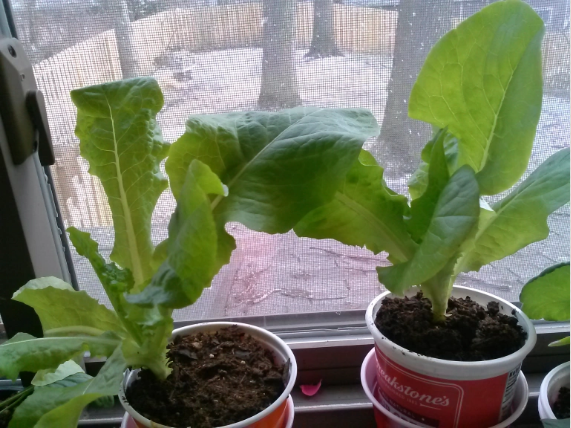
Lettuce is one of the easiest vegetables to grow in pots. Their rooting is shallow; but needs good drainage. The containers can be moved around from window to window to catch the morning and afternoon sun.
I poked holes in the bottom of the containers and put about a 1/2 inch of aquarium gavel to provide extra drainage.
During #WW1 and #WW2, home gardens produced up to 40% of the produce in the U.S. With costs of living skyrocketing and supply issues increasing, it is time to get back to self-sufficiency. It is also a great learning experience and hobby.
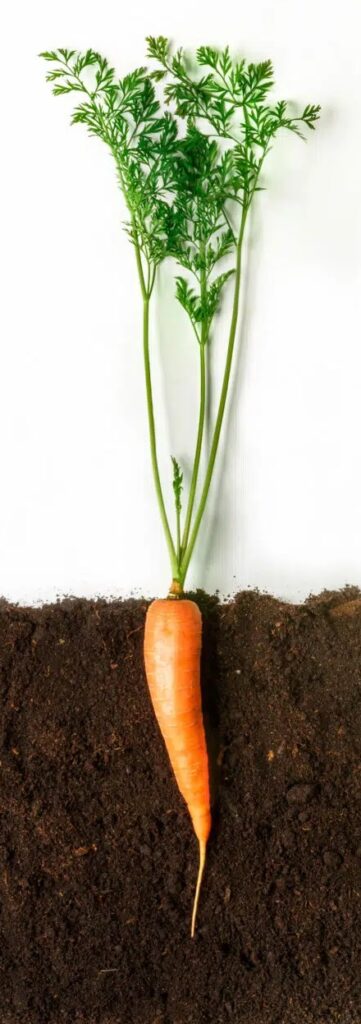
Carrots are shade tolerant. So you don’t necessarily need grow lights for them. The containers can be moved around from window to window to catch the morning and afternoon sun.
Carrots come in different growth sizes. So a shorter carrot like the Little Fingers are perfect for indoor container gardening.
Choose a pot that is about one foot deep, or even a bucket (perfect are the 35lb cat litter buckets!). Plant the seeds about an inch apart. Spray the top soil to keep it moist; but don’t over water. In about 90 days, your first crop should be ready to harvest! Replace each harvested carrot with a new seed for continuous production!
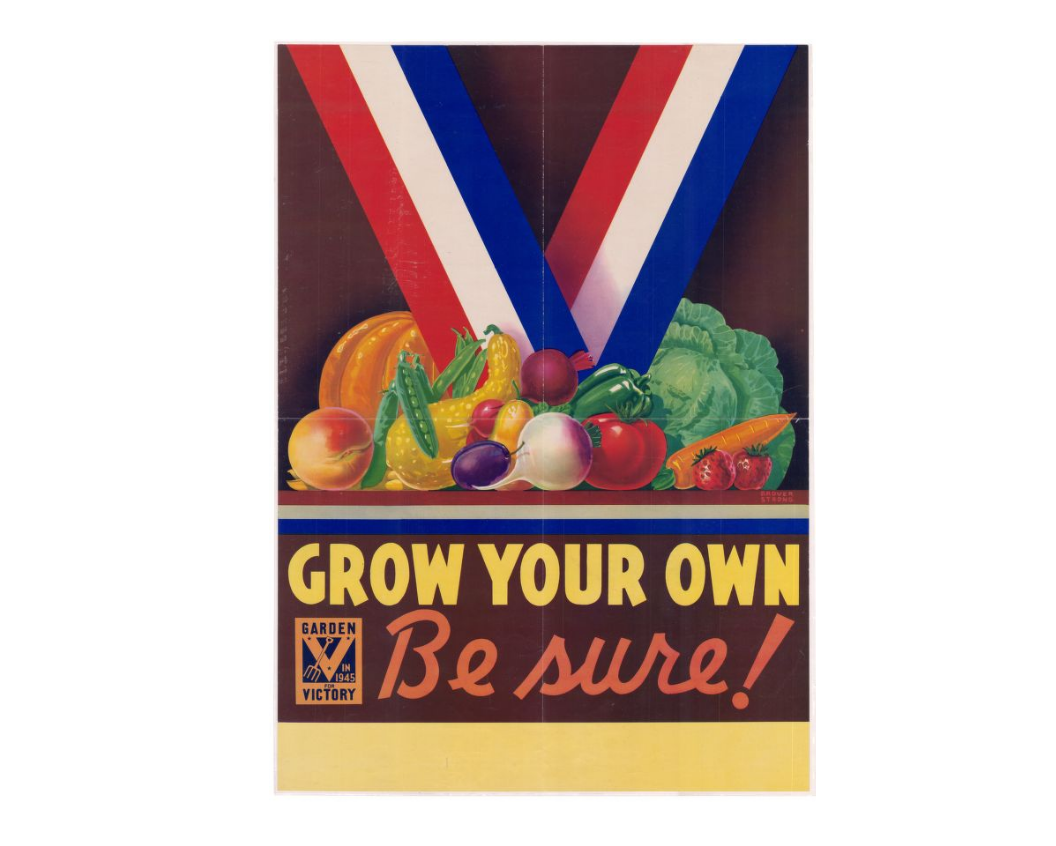
People were asked to work every bit of land possible to produce their own food. Food production had fallen dramatically because most agricultural labor joined the military and the U.S. entered a food shortage.
During #WW2, U.S. citizens were once again called upon to grow food in whatever space they could find. Food production had once again fallen due to agricultural labor joining the military.
The Victory Garden movement was successful. Sowing the Seeds of Victory produced 40 percent of all the fresh fruits and vegetables consumed in the U.S. during this period. 20,000,000 Victory Gardens were recorded across the United States. Victory Gardens were even planted on school ground and used to supplement children’s lunches.
Government entities would supply families with seed packet designs to reserve produce seeds, garden plot guidance and recipes.
Excess food grown in Victory Gardens was canned and used during the winter months to help supplement the amount of food available.
Planting and growing fresh produce is a rewarding hobby, sign of self sufficency and off sets the food bill! But what if you don’t have a lot of yard space? Or any yard space? Use containers, windowsill gardens, rooftop gardens, balcony or patio gardens. Use grow lights inside. There are many possibilities that will work!
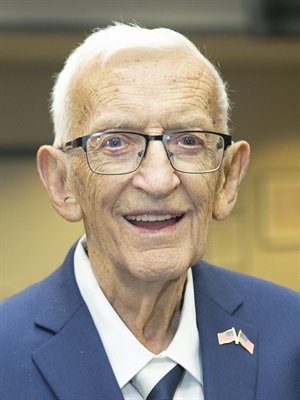
Arthur Lloyd Charlton, #WW2 veteran and local #Boonton author
Arthur Lloyd Charlton, a #WW2 veteran, is a local #Boonton author. Hon. Frelinghuysen added local books of history written by Arthur Lloyd Charlton to #Boonton‘s time capsule. These books are: “Stories of a Small Town Boonton USA”, “More Stories of a Small Town Boonton USA”, and “Boonton USA WW2 Stories”.
He was honored by the #MorrisCty Board of Commissioners with the Distinguished Service Medal.